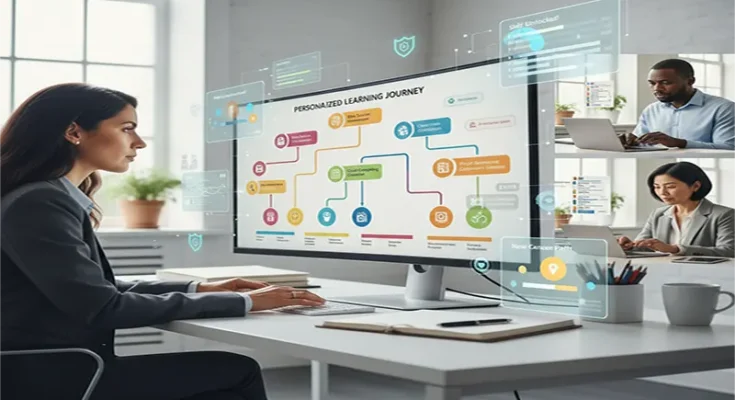
Personalized Micro-learning Paths for Adult Skill Reskilling

Personalized Micro-learning Paths for Adult Skill Reskilling

In 2026, the “half-life” of a professional skill has shrunk to less than three years. For the mid-career professional, the traditional model of returning to university or attending a week-long corporate retreat is no longer viable. We have entered the era of the Reskilling Revolution, where the only way to keep pace with AI-driven disruption is through Personalized Micro-learning Paths.

This approach moves away from “one-size-fits-all” libraries and toward hyper-targeted, AI-orchestrated journeys that respect an adult learner’s most precious resource: time.

1. The Anatomy of a 2026 Personalized Path

Personalization in 2026 is not just about recommending a course; it is about the “atomic” level of content delivery. A modern micro-learning path is built on three pillars:

  • The AI Diagnostic (The Skills Audit): Before you learn, the system assesses what you already know. By analyzing your LinkedIn profile, past project outputs, and even GitHub repositories, AI identifies your
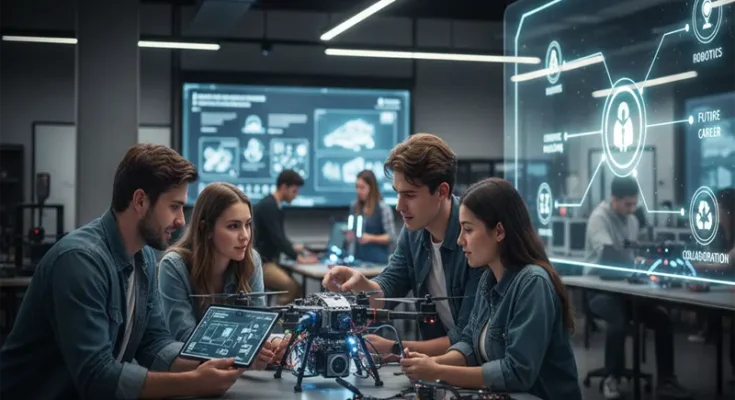
Personalized Micro-learning Paths for Adult Skill Reskilling Read More
Benefits of Project-Based Learning for Future Job Market Readiness

Benefits of Project-Based Learning for Future Job Market Readiness

The global economy of 2026 has reached a tipping point. As Artificial Intelligence and automation handle an increasing share of routine cognitive tasks, the value of a traditional “industrial-age” education—centered on rote memorization and standardized testing—is depreciating. In its place, the “Innovation Economy” demands a new type of worker: one who is comfortable with ambiguity, proficient in cross-disciplinary collaboration, and capable of synthesizing complex information into tangible results.

Project-Based Learning (PBL) has emerged as the most effective pedagogical bridge to meet these demands. By shifting the focus from what a student knows to what they can do with that knowledge, PBL prepares learners for a job market where the only constant is change.

1. The Skill-Shift: Cultivating “AI-Resistant” Competencies

The modern workforce requires a skill set that AI cannot easily replicate: high-level “human” skills. PBL naturally cultivates these through its inherent structure.

  • Complex Problem Solving: In a traditional classroom, students
Benefits of Project-Based Learning for Future Job Market Readiness Read More
Best Digital Pedagogy Strategies for Hybrid University Classrooms

Best Digital Pedagogy Strategies for Hybrid University Classrooms

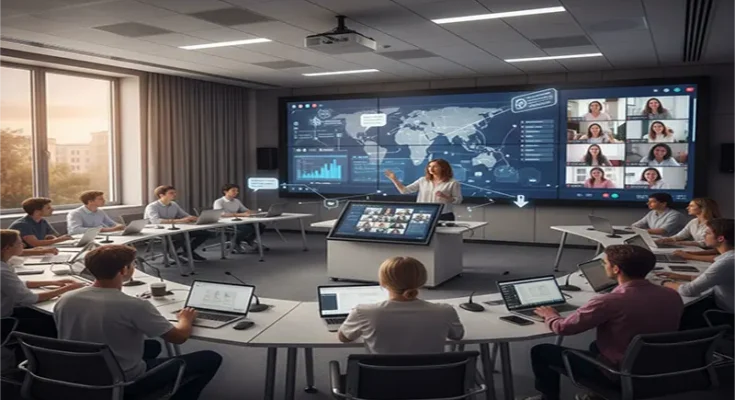
The university classroom of 2026 is no longer defined by four walls and a chalkboard. It is a fluid, “phygital” environment where the line between physical presence and digital participation has blurred. As higher education stabilizes after years of rapid digital transformation, the challenge has shifted from “how do we stream a lecture?” to “how do we create pedagogical parity?”

Participation Equity is the new gold standard. It is the intentional design of learning experiences where a student sitting in the back row of a lecture hall and a student logging in from a different continent have the exact same opportunity to engage, contribute, and succeed. Achieving this requires a move away from “emergency remote teaching” toward a sophisticated, research-based digital pedagogy.

1. The HyFlex Model: Flexibility as a Foundation

The most resilient strategy for modern universities is the HyFlex (Hybrid-Flexible) model. In this framework, every class session is offered …

Best Digital Pedagogy Strategies for Hybrid University Classrooms Read More
How to Use AI Tutoring Tools for Self-Paced Online Learning

How to Use AI Tutoring Tools for Self-Paced Online Learning

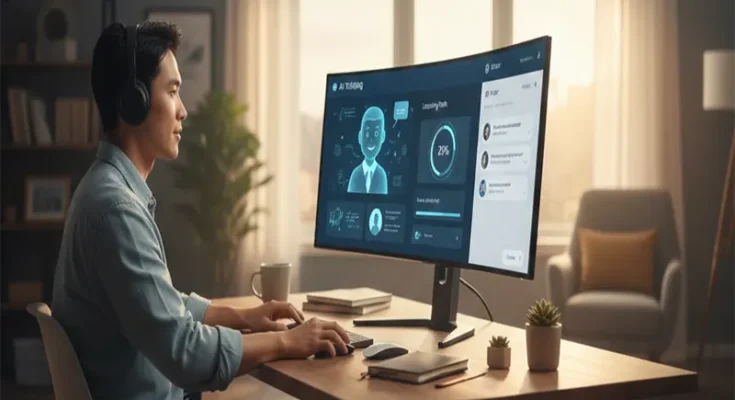
The promise of the internet has always been “anytime, anywhere learning.” Yet, for decades, that reality was largely passive—watching a video, reading a PDF, and hoping the information stuck. In 2026, the paradigm has shifted. We have entered the era of the Personalized Learning Revolution, where AI tutoring tools have transformed self-paced education from a solitary, often frustrating endeavor into a dynamic, interactive dialogue.

The Rise of the 24/7 Socratic Partner

The biggest hurdle in self-paced learning has always been the “stuck point.” When you don’t understand a concept in a pre-recorded lecture, the video can’t answer your question. AI tutoring tools solve this by providing active engagement. Unlike a search engine that provides a static result, an AI tutor acts as a Socratic partner—engaging you in a back-and-forth that forces you to think, rather than just consume.

Selecting Your AI Toolkit (2026 Edition)

To succeed in an online …

How to Use AI Tutoring Tools for Self-Paced Online Learning Read More
How to Implement AI Literacy in K-12 Curriculum

How to Implement AI Literacy in K-12 Curriculum

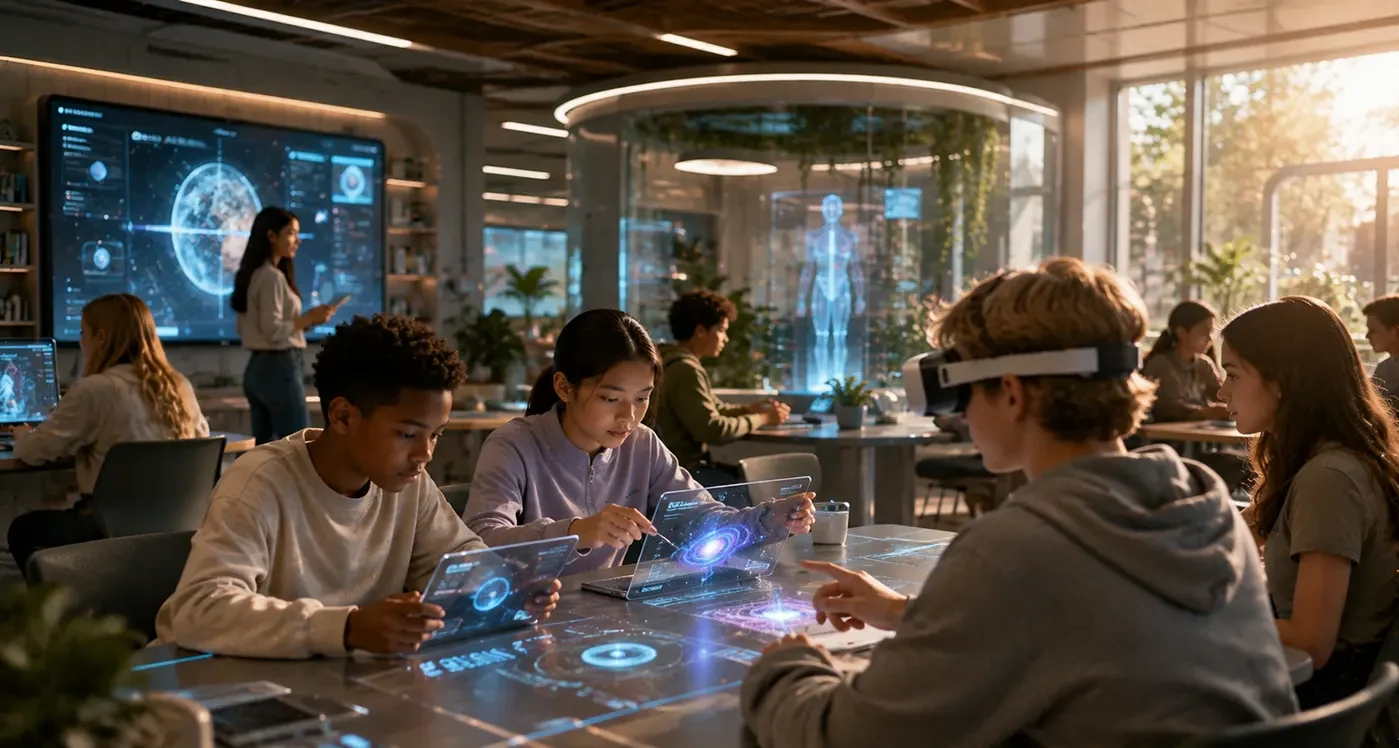
The rapid evolution of Artificial Intelligence (AI) is reshaping industries, economies, and societies at an unprecedented pace. While the conversation often focuses on AI’s potential to automate tasks or generate content, a more critical discussion is emerging in education: how do we equip the next generation with the understanding and skills to navigate an AI-driven world? This isn’t just about teaching coding; it’s about fostering AI literacy—a foundational skill as vital as reading or digital literacy. Implementing AI literacy in the K-12 curriculum is no longer an option but an imperative for preparing students to thrive.

AI Literacy: Beyond the Hype, Towards Understanding

True AI literacy extends far beyond simply knowing how to use an AI tool like a chatbot or an image generator. It encompasses a deep conceptual understanding of how AI works, the practical skills to interact with it effectively, and the critical thinking to evaluate its ethical …

How to Implement AI Literacy in K-12 Curriculum Read More